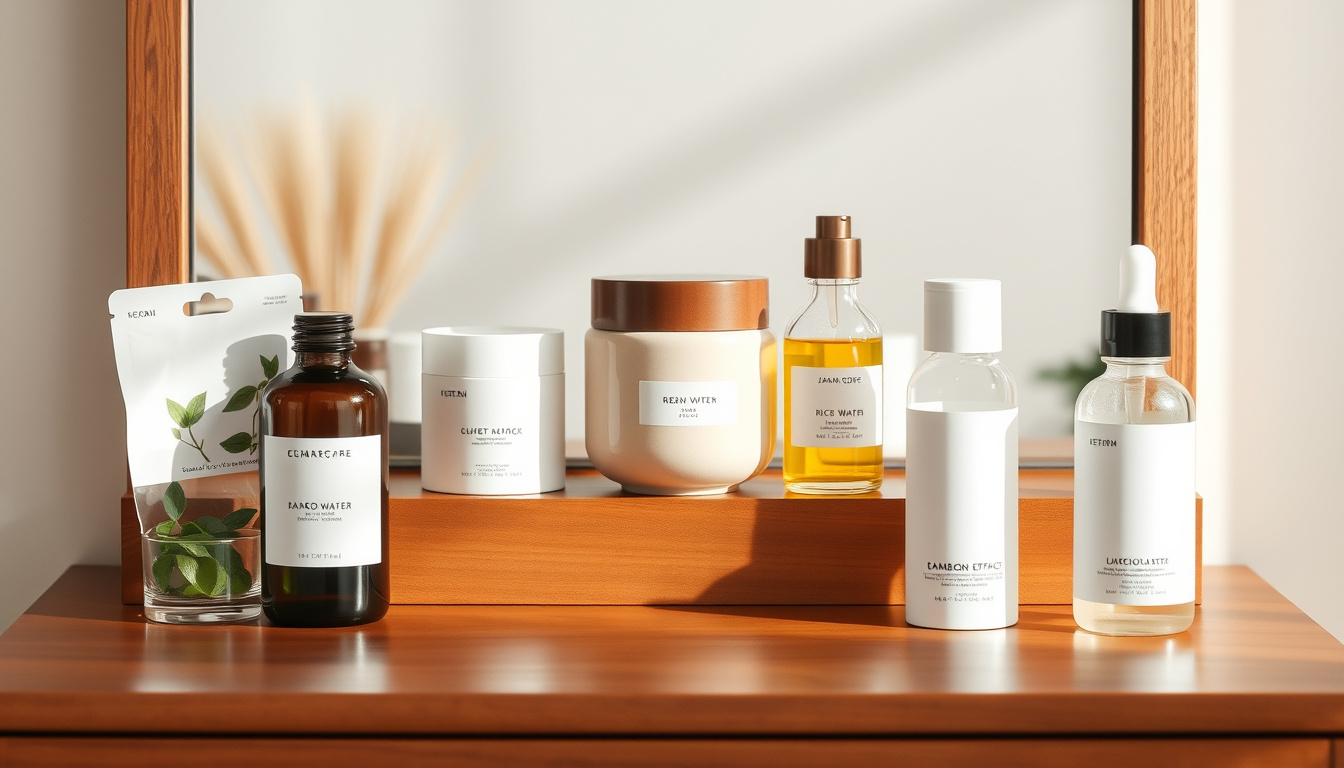
Few things in life are as personal as the way you wash your face, but between Korean 4-2-4, Japanese double cleansing, and the 7-skin method, it’s easy to feel like you need a navigation system. This guide brings together global skincare traditions and dermatologist-approved basics, so you can build a routine that fits your life, and research from Miloon (skincare guide) confirms that sunscreen is the final daytime step in a basic routine — no exceptions.
4-2-4 method duration: 4 min oil cleanse, 2 min foam, 4 min rinse ·
7 skin routine: 7 layers of toner ·
Top 5 brands: CeraVe, La Roche-Posay, SkinCeuticals, Dermalogica, Obagi ·
Morning vs Night: Day: cleanse, tone, moisturize, SPF · Night: double cleanse, tone, serum, moisturize
Quick snapshot
- Vitamin C and retinol should not be used together (Miloon)
- SPF is necessary every day (DHC Japan (cosmetics brand))
- Effectiveness of 7-skin for oily or acne-prone skin is debated (Stylevana Blog (K-beauty guide))
- Double cleansing removes makeup and sunscreen (NoticeMe (k-beauty retailer))
- Standard order — cleanse, tone, serum, moisturize, SPF — is consistent across routines (Miloon)
- More research needed on 7-skin hydration benefits for acne-prone skin types
Five key figures from the content plan, one pattern: every routine leans on the same foundation — cleanse, tone, moisturize.
| Metric | Value |
|---|---|
| Minimum steps in basic routine | 4 (cleanse, tone, moisturize, SPF) |
| Recommended face washing temperature | Lukewarm water |
| Number of toner layers in 7-skin method | 7 |
| Time allocation for 4-2-4 cleansing | 10 minutes total |
| Typical top dermatologist brands count | 5 to 6 |
What’s a Perfect Skincare Routine?
Morning Routine Steps
- Cleanse: Use a gentle water-based cleanser to remove overnight residue.
- Tone: Apply toner to balance pH and prep skin (YouTube: kelly (skincare educator)).
- Moisturize: Lock in hydration with a lightweight lotion.
- SPF: Sun protection is the final step — non-negotiable (Miloon).
Night Routine Steps
- Double cleanse: Oil-based cleanser first, then foam or gel (NoticeMe).
- Tone: Same product as morning.
- Serum (optional): Targeted treatment (vitamin C, retinol, hyaluronic acid).
- Moisturize: Richer cream to repair overnight.
Key Products for Each Step
- Cleanser: Low-pH gel or foam (NoticeMe).
- Toner: Hydrating, alcohol-free — crucial for the 7-skin method (Stylevana Blog).
- Serum: Choose based on concern — vitamin C for brightening, hyaluronic acid for hydration.
- Moisturizer: Seals everything in.
The pattern: Morning protection and night repair form the core of any routine.
What Is the 4-2-4 Rule in Skincare?
What Does 4-2-4 Stand For?
- 4 minutes of oil cleansing
- 2 minutes of foam/gel cleansing
- 4 minutes of rinsing
The 4-2-4 method is a Korean double-cleansing technique designed to remove makeup, SPF, sebum, and impurities (Natura Spa (spa & wellness blog)).
Step 1: Oil Cleanse (4 mins)
Start with dry skin. Apply oil cleanser and massage for 4 minutes, then emulsify with water into a milky texture before rinsing (NoticeMe).
Step 2: Foam Cleanse (2 mins)
Use a mild low-pH gel or foam cleanser for 2 minutes (NoticeMe). This step removes any oil residue.
Step 3: Rinse (4 mins)
Rinse with warm water first, then cool water to close pores (Natura Spa). The total ritual takes 10 minutes.
The 4-2-4 method is time-consuming — some sources recommend using it 1–3 times weekly rather than daily (Arktastic (k-beauty blog)).
What this means: The 4-2-4 method is best suited for a thorough once-a-week reset rather than a daily routine.
What Is the 7 Skin Care Routine?
How the 7-Skin Method Works
- Apply one layer of toner, pat gently, let absorb.
- Repeat 7 times — using the same toner (Stylevana Blog).
Benefits of Layering Toner
This method boosts hydration without heavy creams — ideal for dry or dehydrated skin (Stylevana Blog).
Who Should Try the 7-Skin Routine
Suitable for dry, dehydrated, or mature skin. For oily or acne-prone types, the effectiveness is less clear (Stylevana Blog).
How Do Japanese Wash Their Face?
Key Steps in Japanese Face Washing
- Double cleanse: oil first, then foam — using lukewarm water (DHC Japan).
- Pat dry with a soft cloth — no rubbing.
What Products Are Used?
Cleansing oil is central to Japanese culture (DHC Japan). A gentle foam cleanser follows.
Difference Between Japanese and Korean Methods
Both use double cleansing, but the Japanese method prioritises shorter contact time and cooler final rinse. Korean routines often add a longer massage (4 minutes oil cleanse) and emphasise emulsification.
Which Is the Best Skin Care to Use?
Top Dermatologist-Recommended Brands
- CeraVe — gentle, ceramide-based
- La Roche-Posay — thermal spring water formulations
- SkinCeuticals — antioxidant serums
- Dermalogica — professional-grade cleansers
- Obagi — vitamin C systems
These five brands consistently appear in dermatologist recommendations for 2025.
Serum vs Moisturizer: Do You Need Both?
Yes. Serum delivers concentrated ingredients (vitamin C, hyaluronic acid); moisturizer seals them in. Skipping moisturiser after serum can lead to transepidermal water loss (Miloon).
Which Serums Should Never Be Used Together?
- Vitamin C + retinol — can cause irritation and reduce efficacy.
- AHA (glycolic, lactic) + retinol — excessive exfoliation risk.
- Vitamin C + AHA — pH conflict may destabilise both.
Separate them into AM/PM routines (Miloon).
Mixing incompatible serums is the number-one mistake beginners make. Using vitamin C in the morning and retinol at night avoids conflict and gives each ingredient room to work.
The implication: Proper ordering and separation of active ingredients prevents irritation and optimizes results.
Four methods, one pattern: each has a different trade-off between time and hydration depth.
| Method | Core Idea | Key Steps | Best For |
|---|---|---|---|
| Korean 4-2-4 | Deep double cleanse with timed massage | Oil (4 min) → Foam (2 min) → Rinse (4 min) | Heavy makeup, oily skin |
| 7-Skin | Hydration through repeated toner layers | Toner ×7, no rinsing between | Dry, dehydrated skin |
| Japanese Washing | Gentle double cleanse with warm water | Oil → Foam → Warm rinse → Pat dry | Sensitive, normal skin |
| Western Basic | Efficient 4-step: cleanse, tone, moisturize, SPF | Single cleanse, tone, moisturizer, sunscreen | Everyday, minimal routine seekers |
Pros & Cons: The 4-2-4 Method
Upsides
- Thorough removal of makeup and sunscreen (NoticeMe)
- Improves skin texture over time
Downsides
- Time-consuming — recommended 1–3 times weekly (Arktastic)
- May be too heavy for sensitive skin if done daily
The pattern: The pros and cons highlight the need to balance thorough cleansing with time availability.
How to Build a Skincare Routine from Scratch
- Determine your skin type — oily, dry, combination, or sensitive. This guides product choice.
- Choose a gentle cleanser — low-pH gel or foam (NoticeMe).
- Add a toner — hydrating, alcohol-free. For 7-skin fans, this is your star step.
- Pick a serum and moisturizer — serum first, then moisturizer to lock in (Miloon).
- Apply SPF every morning — the only non-negotiable step (DHC Japan).
What this means: Start with the essentials and customize based on skin response.
What’s Confirmed, What’s Unclear
Confirmed Facts
- Vitamin C and retinol should not be applied in the same routine (Miloon).
- SPF is necessary every day for skin protection (DHC Japan).
What’s Unclear
- Effectiveness of the 7-skin method for oily or acne-prone skin is debated (Stylevana Blog).
- Optimal frequency of chemical exfoliation depends on individual skin tolerance.
The implication: While some facts are certain, individual skin variation means personal experimentation is necessary.
Expert Perspectives
“Cleansing oil is a central part of Japanese cleansing culture — it respects the skin’s barrier while removing impurities.”
— DHC Japan (cosmetics brand)
“Many dermatologists recommend a routine of cleansing, moisturizing, and sun protection as a foundation for healthy skin.”
— Dermatologist consensus (cited in Miloon)
The 4-2-4 method delivers thorough cleansing but demands time. For a beginner, starting with a simple double cleanse (without the 10-minute timer) is less intimidating and equally effective.
What this means: Expert advice underscores that simplicity often works best for beginners.
Building Your Routine: What It Means for You
No single method works for everyone — but the principles are universal. Start with the four-step base (cleanse, tone, moisturize, SPF). Add layers as your skin needs them. For anyone overwhelmed by choices, the implication is clear: choose one method, test it for two weeks, and adjust. Or stick with the simplest version: protect in the morning, repair at night. Your best bet: start with the four-step base and add only what your skin responds to.
For those building a family-friendly routine, Bubble Skincare for younger users offers gentle formulations tailored to developing skin.
Frequently Asked Questions
How often should I exfoliate?
Most dermatologists recommend chemical exfoliation (AHA/BHA) 2–3 times per week, depending on skin tolerance.
Can I use oil cleanser if I have oily skin?
Yes — oil cleansers dissolve sebum and makeup. Choose a non-comedogenic formula and follow with a gentle foam cleanser.
What order should I apply my skincare products?
Thinnest to thickest: cleanser, toner, serum, moisturizer, sunscreen (day) or oil (night).
Is the 4-2-4 method suitable for sensitive skin?
It can be — but start with shorter massage times and use a gentle low-pH cleanser. Some sources recommend 1–3 times weekly (Arktastic).
How long does it take to see results from a new routine?
Skin cycles every 28 days. Expect visible changes in 4–6 weeks if you stay consistent.
Should I apply eye cream before or after moisturizer?
After serum, before moisturizer. Eye cream is thinner than facial moisturizer.
Related reading: Olavita Liquid Solution Reviews · How to Stop Itching Down There Immediately

Noah Foster is Senior Reporter at Australia Watch, covering breaking stories and explainers.