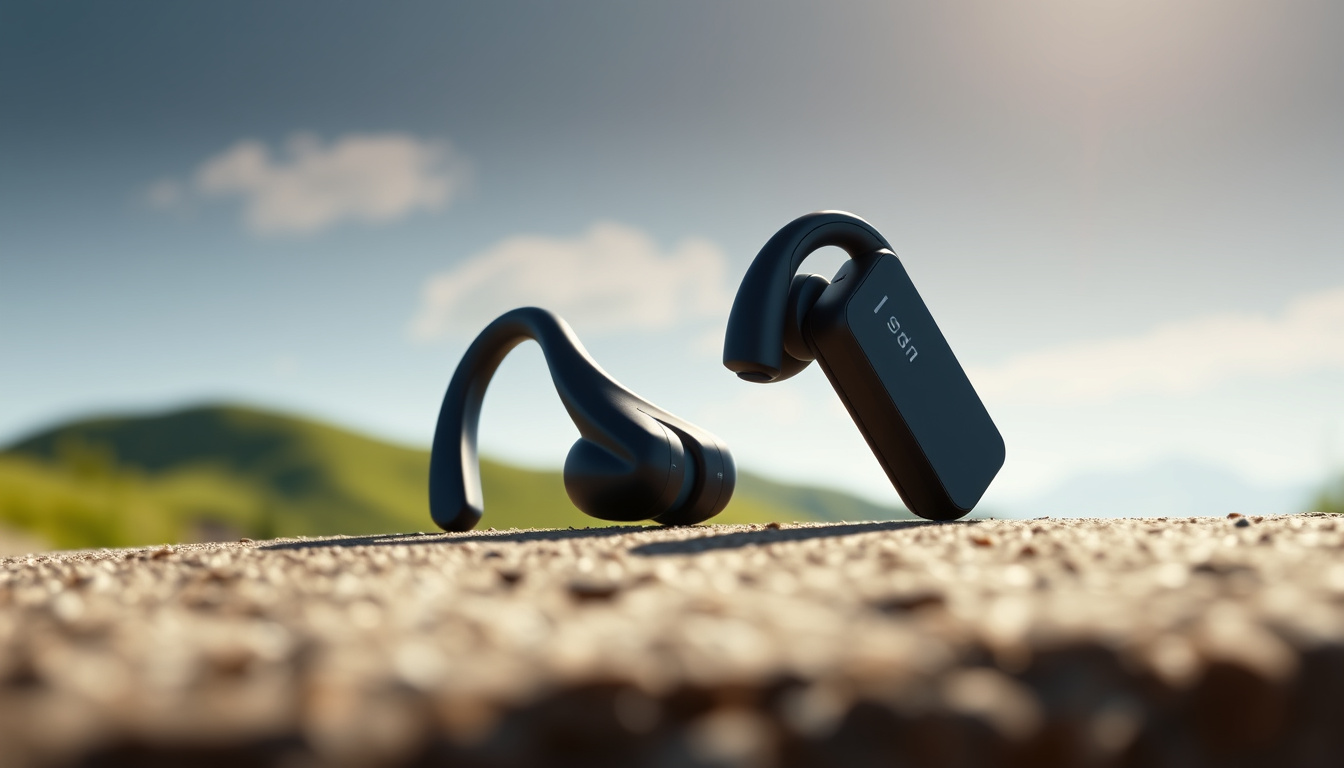
If you’ve been running or cycling with the original OpenRun Pro for a few years, you already know the deal: great situational awareness, but bass that felt like listening through a tin can. The Shokz OpenRun Pro 2 launched in August 2024 with a new DualPitch system that promises to fix that. I spent time digging through Shokz’s official specs, SoundGuys’ detailed testing, and Runner’s World’s gear reviews to see whether this upgrade actually delivers for athletes who live in their headphones.
Battery Life: Up to 12 hours · Bluetooth: 5.3, 10m range · Water Resistance: IP55 · Key Technology: DualPitch bone and air conduction
Quick snapshot
- Exact dB reduction levels for sound leakage in real-world tests
- Long-term durability after months of heavy training
- Precise frequency response measurements across use cases
- OpenRun Pro launched September 2021 (Shokz CA)
- Pro 2 released August 21, 2024 (Versus.com)
- UK availability began August 28, 2024 (Shokz UK)
| Specification | OpenRun Pro 2 | OpenRun Pro |
|---|---|---|
| Technology | 10th gen bone conduction + DualPitch air driver | 9th gen bone conduction + PremiumPitch 2.0+ |
| Battery Life | 12 hours | 10 hours |
| Quick Charge | 5 min = 2.5 hours | 5 min = 1.5 hours |
| Weight | 30g | 27g |
| Charging | USB-C | Proprietary 2-pin |
| Water Resistance | IP55 | IP55 |
| Bluetooth | 5.3, multipoint | 5.1 |
| EQ Options | 7 presets + 5-band custom | 2 presets |
| Price | $179.95 | $179.95 |
Is the OpenRun Pro 2 Worth the Upgrade?
For current OpenRun Pro owners, this is the $179.95 question. SoundGuys called the Pro 2 “a modest but meaningful upgrade,” which captures it well. The headline gains are real: 2 extra hours of battery, USB-C convenience, and a DualPitch system that adds a dedicated air conduction driver alongside bone conduction. The result is noticeably better bass response and less of that ticklish vibration on your cheekbones during high-energy intervals.
Runner’s World recommends the Pro 2 over the original for most athletes, citing improved sound quality and battery as the deciding factors — even with the original now selling at a discount.
Key improvements over OpenRun Pro
The DualPitch Technology inside the Pro 2 combines bone conduction for midrange clarity with a new air conduction driver handling bass and treble. Shokz’s official blog notes this setup delivers “3D audio with real-time tuning and DRC to prevent distortion.” That translates to music that actually sounds like music rather than a compressed audiobook playing through your skull.
Five EQ presets (Standard, Vocal, Bass Boost, Treble Boost, Classic) plus a custom 5-band EQ give you far more control than the two presets on the original. Runner’s World found the Pro 2 better suited for indoor training where you want richer sound, while the original OpenRun still edges out louder volume in noisy outdoor environments. Both models share IP55 ratings, but neither matches the IP67 of the budget OpenRun.
AirPods Pro isolate you from your surroundings. The Shokz Pro 2 keeps you aware of traffic, fellow runners, and environmental cues. Neither is universally superior — the right choice depends on where you train.
Who should upgrade
If you bought your OpenRun Pro at launch in 2021, the battery degradation is likely real by now, and the Pro 2 addresses that directly. The USB-C switch alone is worth it for anyone carrying yet another proprietary cable. SoundGuys advises that existing owners hold off unless they find the Pro 2 discounted, since the upgrade is “modest” rather than transformative. New buyers should always choose the Pro 2 over hunting for a discounted original.
What Is the Difference Between Shokz OpenRun Pro and Pro 2?
The generational gap goes deeper than the naming suggests. Shokz upgraded from 9th-generation bone conduction to 10th generation with the Pro 2, and the architecture itself changed. Where the original used PremiumPitch 2.0+ with bass enhancers in the transducers, the Pro 2 introduces DualPitch — a hybrid system pairing bone conduction with a dedicated air conduction driver. The result is fuller sound without the vibration issues that plagued earlier models.
The Pro 2’s hybrid driver design addresses the core complaint about bone conduction: tinny highs and absent bass. Air conduction handles what bone can’t, letting the system focus each driver on its strength.
Sound technology changes
SoundGuys tested both models extensively and confirmed the Pro 2 reduces cheekbone vibrations during playback. The original OpenRun Pro “shakes” your face noticeably during bass-heavy tracks, which becomes distracting during longer workouts. The Pro 2 maintains clearer audio at high volumes without that tactile distraction. Five-minute quick charging delivers 2.5 hours on the Pro 2 versus 1.5 hours on the original — a meaningful edge for athletes grabbing a charge before heading out.
Battery and comfort updates
The Pro 2 adds Bluetooth multipoint connectivity, letting you stay connected to two devices simultaneously — useful for switching between a phone playlist and a GPS watch. The trade-off: at 30g, the Pro 2 weighs 3g more than the 27g OpenRun Pro. Several YouTube reviewers noted this makes the newer model feel slightly bulkier during running, though most found it comfortable for typical workout durations.
Both models carry the same $179.95 price tag, which makes the Pro 2 the obvious default choice for new buyers. Shokz includes a hardshell carrying case with the Pro 2, whereas the original came without one — a small but practical addition for anyone tossing headphones into a gym bag.
Are Shokz Headphones Better Than AirPods?
This comparison depends entirely on what “better” means for your training context. AirPods Pro seal your ear canal for active noise cancellation — excellent for flights, gyms with loud music, or commutes. Open-ear bone conduction headphones like the Shokz OpenRun Pro 2 leave your ears completely unobstructed. That difference is the entire point for outdoor athletes.
AirPods Pro isolate you from your surroundings. The Shokz Pro 2 keeps you aware of traffic, fellow runners, and environmental cues. Neither is universally superior — the right choice depends on where you train.
Open-ear vs in-ear design
Bone conduction bypasses your eardrum entirely, sending vibrations through your cheekbones directly to the inner ear. The result: you hear your music and your environment simultaneously. This isn’t a compromise — for runners on busy roads or cyclists sharing paths with pedestrians, environmental awareness can be a safety feature. AirPods Pro, even with their transparency mode, require active switching and introduce a slight delay in processing external sounds.
Sound and situational use
For pure audio quality in controlled environments, AirPods Pro outperform bone conduction headphones. The sealed in-ear design produces richer bass and more detailed highs. The Pro 2’s DualPitch system narrows that gap significantly compared to earlier bone conduction models, but physics limits what air conduction through bone can achieve versus direct eardrum stimulation.
The AI noise-canceling microphones in the Pro 2 handle calls adequately for outdoor use, though dedicated earbuds still win for voice quality in quiet settings. If your training involves mostly empty trails or quiet neighborhood streets, the Pro 2’s open design won’t frustrate you. If you regularly run on loud urban streets or want the best possible music reproduction, AirPods Pro deliver superior fidelity.
The Shokz OpenRun Pro 2 really are the best all around bone conduction headphones from Shokz and at large.
— SoundGuys (Review Editor)
Which Is Better, Bose or Shokz?
Bose entered the open-ear market with the Ultra Open Earbuds, positioning them as a direct competitor to Shokz for athletes wanting situational awareness. The comparison isn’t straightforward, though — the two brands take fundamentally different technical approaches and target overlapping but distinct use cases.
Bose Ultra Open Earbuds vs OpenRun Pro 2
Bose uses an open-ear clip design that rests outside the ear canal without sealing it, similar in concept to Shokz but with traditional speaker drivers rather than bone conduction. The Bose approach produces cleaner audio than early bone conduction but still doesn’t match the environmental awareness that bone conduction provides, since the speakers sit closer to the ear canal opening.
Bose positions the Ultra Open as a lifestyle product for all-day wear, while Shokz targets athletes with specific training features like EQ presets and multipoint Bluetooth for GPS watches. The choice hinges on whether you prioritize audio quality or sport-specific functionality.
Use case differences
The Bose Ultra Open Earbuds retail at a higher price point than the $179.95 Pro 2 and lack the comprehensive EQ customization that Shokz offers through its app. Shokz supports multipoint pairing with two devices simultaneously, a feature increasingly important for athletes who track workouts on a dedicated GPS watch while keeping their phone nearby for emergencies. Bose focuses more on seamless audio switching between devices for general consumers rather than training-specific scenarios.
For dedicated runners and cyclists prioritizing battery life, the Pro 2’s 12-hour endurance outlasts most competitors in the open-ear category. The USB-C charging standard also aligns with modern devices, whereas proprietary connectors on older Shokz models created unnecessary cable clutter.
In almost every case, I recommend the OpenRun Pro 2.
What Are the Negatives of Bone Conduction Headphones?
Bone conduction solves real problems for athletes, but it introduces trade-offs that matter depending on your priorities. Understanding the limitations helps you decide whether the technology fits your training style or whether you’d be happier with sealed in-ear options.
Sound leakage concerns
At higher volumes, bone conduction headphones can leak sound to people nearby. The Pro 2’s hybrid DualPitch system reduces this compared to earlier models by using air conduction for lower frequencies, but the bone conduction drivers still produce some sound that escapes. SoundGuys testing confirmed reduced leakage with the Pro 2 versus the original OpenRun Pro, though exact dB measurements in varied environments remain unclear from published reviews.
In quiet gym environments or during late-night runs in residential areas, this leakage can bother people near you. The practical impact depends heavily on volume levels and ambient noise — in a loud gym, nobody notices; in a quiet library, it’s more obvious.
Bass limitations
Even with the Pro 2’s improved DualPitch system, bone conduction cannot match the bass response of sealed in-ear drivers. The physics of transmitting sound through bone rather than air inherently limits low-frequency response. Shokz’s air conduction driver helps significantly — SoundGuys noted “noticeably better bass” compared to the original — but audiophiles seeking club-like bass during indoor training will still find the Pro 2 lacking compared to traditional headphones.
The five-band custom EQ helps somewhat, and the Bass Boost preset adds punch, but this remains a fundamental limitation of the technology rather than a failure of the Pro 2 specifically. For cardio workouts where rhythm matters, the Pro 2 delivers enough bass to stay motivating — it’s not designed to replace studio monitors.
Upsides
- Complete environmental awareness during outdoor training
- 12-hour battery handles long events without charging
- DualPitch delivers best-in-class bone conduction sound
- USB-C and multipoint Bluetooth for modern connectivity
- IP55 handles sweat and light rain
Downsides
- Bass still limited compared to sealed in-ear options
- Sound leakage at high volumes in quiet environments
- 30g heavier than original OpenRun Pro
- No active noise cancellation for calls in loud settings
- IP55 less protective than OpenRun’s IP67
Shokz OpenRun Pro 2 Specifications
Three manufacturers, three distinct approaches to open-ear audio — the spec sheet reveals where each product excels and where they compromise.
| Feature | OpenRun Pro 2 | AirPods Pro 2 | Bose Ultra Open |
|---|---|---|---|
| Design | Bone + air conduction | In-ear ANC | Open-ear clip |
| Battery | 12 hours | 6 hours (30h case) | 7.5 hours |
| Weight | 30g | 5.3g each | 18g total |
| Water Resistance | IP55 | IP54 | IPX4 |
| Charging | USB-C | Lightning/USB-C | USB-C |
| EQ Customization | 7 presets + 5-band | Limited | Basic |
| Multipoint | Yes, 2 devices | Limited (Apple) | No |
| Price | $179.95 | $249 | $299 |
The Pro 2 leads on battery life by a significant margin and undercuts both competitors on price. The AirPods Pro 2 win on audio quality and ANC, while the Bose Ultra Open offers a middle ground for consumers prioritizing style and all-day comfort over sport-specific features. For dedicated athletes, the Pro 2’s 12-hour endurance and multipoint Bluetooth make it the most practical choice at the lowest price point.
Related reading: New Balance 1906R Guide · Stawell Gift 2025
soundguys.com, youtube.com, rtings.com, thegreatestsong.com, shokz.com
Shokz OpenRun Pro 2’s DualPitch tech and 12-hour battery mark key upgrades over the original Pro, as detailed in this comprehensive specs guide with AirPods and Bose comparisons.
Frequently asked questions
What is the battery life of Shokz OpenRun Pro 2?
The OpenRun Pro 2 delivers up to 12 hours of playback on a full charge. A 5-minute quick charge provides approximately 2.5 hours of listening time.
Does Shokz OpenRun Pro 2 have noise cancelling?
The Pro 2 has AI noise-canceling microphones for call quality but does not feature active noise cancellation for music playback. This is intentional — noise cancellation would defeat the purpose of open-ear awareness for outdoor athletes.
Is Shokz OpenRun Pro 2 waterproof?
The Pro 2 carries an IP55 rating, meaning it is dust-tight and protected against water jets from any direction. It handles sweat and rain but should not be submerged. Note that the budget OpenRun offers IP67, providing deeper water protection.
How do I pair Shokz OpenRun Pro 2?
With the headphones powered off, hold the volume+ button for 3-5 seconds until the LED flashes red and blue. Open your device’s Bluetooth settings and select “OpenRun Pro 2” from the list. The Pro 2 supports multipoint pairing, connecting to two devices simultaneously.
What is Shokz OpenRun Pro 2 Mini?
The Mini variant offers the same technical specifications as the standard Pro 2 but with a shorter band designed for smaller head sizes. This ensures a more secure fit for athletes who found the standard size slightly loose.
What colors does the OpenRun Pro 2 come in?
The Pro 2 is available in Black, Orange, and Silver. The Orange option echoes Shokz’s partnership with marathon legend Eliud Kipchoge, who has an official Kipchoge edition available in select markets.
Where can I buy the Shokz OpenRun Pro 2?
The Pro 2 is available directly from Shokz.com, major retailers like Amazon and Best Buy, and authorized dealers in the US, UK, Canada, and Australia. The standard price is $179.95 USD.
For runners and cyclists on the fence, the choice crystallizes around one factor: how you train. Athletes logging miles on shared paths, busy roads, or anywhere traffic awareness matters will get genuine value from the OpenRun Pro 2’s open-ear design and class-leading 12-hour battery. The DualPitch sound improvements address the biggest practical complaint about earlier Shokz models. Existing OpenRun Pro owners with functioning units should watch for discounts rather than paying full price, since the upgrade, while meaningful, won’t revolutionize your training. New buyers choosing between Shokz and competitors: the $179.95 Pro 2 delivers more sport-specific value per dollar than either AirPods Pro or Bose Ultra Open, provided you prioritize situational awareness over maximum audio fidelity.

Thomas Grant leads fact-checking, source verification and corrections at Australia Watch.