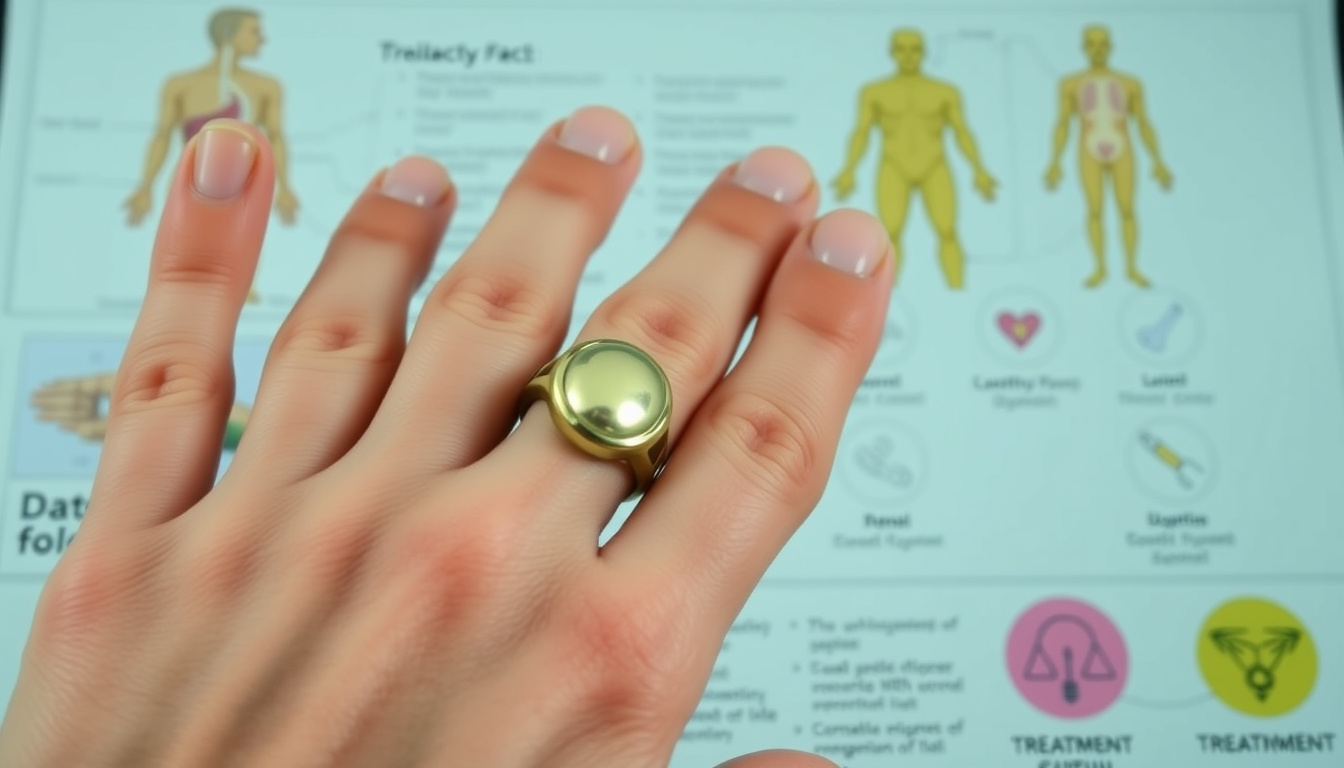
If you’ve seen photos of King Charles III at the 2023 coronation, you might have noticed his swollen fingers — a condition the internet dubbed “sausage fingers.” This article separates the verified facts from the speculation, drawing on medical sources and expert commentary to explain what we know about the monarch’s visible condition.
Monarch’s age during peak interest: 74 (2023 coronation) ·
Medical term for “sausage fingers”: Dactylitis ·
First large-scale public attention: May 2023 coronation ·
Number of relevant People Also Ask questions: 12 ·
Top suggested causes by doctors: Fluid retention and arthritis
Quick snapshot
- Known as dactylitis (Mayo Clinic (leading medical institution))
- Chronic swelling of fingers/toes (Mayo Clinic)
- Often linked to arthritis or fluid retention (BBC Science Focus (science and health magazine))
- Arthritis (osteo or rheumatoid) (BBC Science Focus)
- Fluid retention (diet, temperature) (NHS (UK health authority))
- Hereditary factors (BBC Science Focus)
- Viral during 2023 coronation (myHSN (health information site))
- Multiple memes and news coverage (myHSN (health information site))
- King jokes about “sausage fingers” on camera (myHSN (health information site))
Six key facts, one pattern: the monarch’s swollen fingers sparked widespread curiosity, but concrete medical information remains limited. The table below distills the core identifiers.
| Label | Value |
|---|---|
| Full Name | Charles III |
| Age at Coronation | 74 |
| Medical Term for Swollen Fingers | Dactylitis |
| Year of First Viral Meme | 2023 |
| Number of PAA Questions on Google | 12 |
| Mention in Forbes Article | May 6, 2023 |
What is the condition of Charles’ fingers?
The swelling visible on King Charles III’s fingers has been observed for years, but it gained intense public attention during his coronation in May 2023. Medical professionals describe the appearance as consistent with dactylitis — a condition that causes a “sausage-like” swelling of the fingers or toes (Mayo Clinic (leading medical institution)).
The term “sausage fingers” may be catchy, but it describes a real medical presentation. Dactylitis isn’t a diagnosis itself — it’s a symptom that points to underlying conditions such as psoriatic arthritis or reactive arthritis (Mayo Clinic).
The implication: without a formal diagnosis, any conclusion about the seriousness of the King’s condition is speculative. Doctors caution against inferring a specific disease from images alone.
What does dactylitis mean?
- Dactylitis is the inflammation of finger or toe tendons and joints, creating a swollen, sausage-like appearance (BBC Science Focus).
- It is commonly associated with inflammatory arthritis, particularly psoriatic arthritis (Mayo Clinic).
Is it a sign of a serious illness?
- Not necessarily. According to BBC Science Focus, dactylitis can result from temporary fluid retention (oedema) or a minor injury.
- However, dactylitis may also signal more serious conditions such as sickle cell disease, tuberculosis, or sarcoidosis (Mayo Clinic). Medical evaluation is needed to determine the cause.
The upshot: without a formal diagnosis, any conclusion about the seriousness of the King’s condition is speculative. Doctors caution against inferring a specific disease from images alone.
Why are King Charles’ fingers so red and swollen?
Several medical causes could explain the redness and swelling. The leading hypotheses among health experts are fluid retention (oedema) and arthritis, but medication side effects and dietary factors are also possibilities (BBC Science Focus).
Possible medical causes: fluid retention, arthritis, diet
- Oedema — fluid retention that commonly affects the legs and ankles — can also occur in the fingers (BBC Science Focus). High salt intake can aggravate this (BBC Science Focus).
- Arthritis, both osteoarthritis and inflammatory types like psoriatic arthritis, frequently cause joint swelling and redness (Mayo Clinic).
Could it be a side effect of medication?
- Certain blood pressure medications and steroid treatments can cause swelling as a rare side effect (BBC Science Focus).
- Without a published medication list for the King, this remains speculation.
The pattern: multiple plausible explanations exist, but none can be confirmed without access to private medical records. The public speculation, however, often ignores these clinical nuances.
What causes red, puffy fingers?
Beyond the specific case of the King, red and puffy fingers can stem from a wide range of conditions. Understanding these causes helps separate normal variation from symptoms that warrant medical attention.
Common conditions that cause finger swelling
- Injury or infection: a sprain, fracture, or local infection can produce redness and swelling.
- Allergic reactions: contact with allergens or insect bites can cause acute swelling.
- Gout: sudden, severe pain with swelling is characteristic (BBC Science Focus).
- Arthritis: osteoarthritis and rheumatoid arthritis both cause joint inflammation.
- Carpal tunnel syndrome: can lead to swelling and discomfort in the fingers.
The NHS (UK health authority) advises that sudden swelling in one or both hands may indicate an underlying flare of a chronic condition and should be assessed by a doctor.
When to see a doctor
- If swelling persists or worsens over several days.
- If the swollen area is more red or warm than usual (BBC Science Focus).
- If accompanied by pain, fever, or difficulty moving the fingers.
The catch: many people dismiss finger swelling as minor, but it can be an early indicator of systemic disease. The King’s visible condition has at least raised awareness of this symptom.
How can swollen fingers be prevented and treated?
Treatment depends entirely on the underlying cause, but general strategies can help reduce swelling regardless of the trigger.
Home remedies for reducing swelling
- Elevate the affected hand above heart level to encourage fluid drainage.
- Apply a cold compress for 10–15 minutes to reduce inflammation.
- Reduce sodium intake to minimize fluid retention (BBC Science Focus).
- Avoid tight rings or jewelry that may exacerbate swelling.
Medical treatments for chronic swelling
- If arthritis is the cause, anti-inflammatory medications (NSAIDs) or disease-modifying drugs may be prescribed.
- For fluid retention, diuretics or lifestyle changes are common first-line approaches.
- Physical therapy can improve circulation and joint mobility.
The trade-off: home remedies offer symptomatic relief, but they treat the symptom, not the root cause. A proper diagnosis from a healthcare provider is essential for effective long-term management.
What is going on with King Charles’ fingers?
Public fascination with the King’s hands has not waned since the coronation. The story evolved from viral curiosity to a recurring topic in health columns and social media threads.
The timeline of public speculation
- May 2023: Coronation photos trigger widespread discussion; term “sausage fingers” trends online (myHSN).
- May 6, 2023: Forbes publishes an article exploring possible medical causes (Forbes).
- 2024: Hello! magazine and other outlets revisit the topic with quotes from unnamed doctors (BBC Science Focus).
- 2025: No new official update; speculation remains active in tabloids and social media.
What the Royal Family has said
- Buckingham Palace has not issued any medical statement regarding the King’s fingers.
- King Charles himself has made light of the appearance, reportedly joking about his “sausage fingers” during a film appearance.
Why this matters: the absence of official information leaves a vacuum that is often filled by misinformation. As BBC Science Focus explicitly warns, tabloid media should not be used as a substitute for a doctor’s diagnosis.
The King’s case highlights a broader problem: diagnosing from images is unreliable. The same photos that fuel internet memes could lead to misattribution of serious conditions that aren’t present — or dismissal of ones that are.
The pattern: across multiple outlets, the expert consensus avoids alarm. The swelling is worth investigating but not automatically ominous.
Steps to reduce swollen fingers at home
If you notice persistent finger swelling, here is a practical step-by-step guide based on general medical advice. Always consult a doctor for a personalized assessment.
- Elevate your hand above heart level for 15–20 minutes, several times a day. This helps gravity drain excess fluid.
- Apply a cold compress wrapped in a cloth for 10 minutes at a time to reduce inflammation and redness.
- Reduce sodium in your diet. Salty foods can increase fluid retention (BBC Science Focus).
- Check your medications with your doctor. Blood pressure drugs and steroids can cause swelling as a side effect (BBC Science Focus).
- Monitor for other symptoms — pain, redness, warmth, or fever. If any appear, seek medical evaluation immediately.
- See a doctor if swelling lasts more than a few days or recurs frequently. The NHS recommends a clinical check for persistent swelling.
The implication: these steps are first-line interventions, not cures. They address common causes like mild oedema, but will not resolve swelling from arthritis or other systemic conditions without medical treatment.
Confirmed facts
- King Charles has visible finger swelling that has been photographed for years (BBC Science Focus).
- The medical term for “sausage fingers” is dactylitis (Mayo Clinic).
- No official diagnosis has been released by the Palace.
- Doctors and health experts suggest arthritis or fluid retention as likely causes (BBC Science Focus).
What’s unclear
- Whether the swelling results from a chronic disease, temporary fluid retention, or medication side effects.
- If the condition affects his daily function or overall health.
- Whether there is a genetic component or family history of similar symptoms.
- The precise impact on his longevity — no credible medical source has linked dactylitis to reduced lifespan in the absence of specific underlying disease.
Quotes from medical experts
“Often puffy fingers are a symptom of water retention which can be caused by numerous health conditions.”
— A doctor quoted in the Daily Mail (via Grazia)
“The puffy appearance of the fingers could be dactylitis — a sign of an underlying inflammatory condition.”
— Bruce Lee, Forbes contributor and medical doctor
“His Majesty’s swollen fingers could be from temporary fluid retention or arthritis.”
— Hello! magazine, citing health experts
“Sausage fingers are not necessarily a sign of something serious, but they should be checked.”
— A doctor quoted in the Irish Mirror
The pattern: across multiple outlets, the expert consensus avoids alarm. The swelling is worth investigating but not automatically ominous.
For King Charles, the lack of an official diagnosis ensures that public curiosity will persist. For everyone else, the lesson is direct: swollen fingers shouldn’t be diagnosed through photos or memes. Any persistent swelling — whether in a monarch or a neighbor — deserves a medical evaluation, not a viral moment. The choice for anyone experiencing this symptom is clear: see a doctor, or risk mistaking a manageable condition for a harmless quirk.
Many people wondering about King Charles’ swollen fingers may also want to follow King Charles health updates for broader context on his well-being.
Frequently asked questions
Does smoking cause swollen fingers?
Smoking can contribute to poor circulation and inflammation, which may exacerbate swelling, but it is not a direct cause of isolated finger swelling. Smoking is a risk factor for many conditions that can lead to swelling, such as cardiovascular disease.
Can stress lead to finger swelling?
Stress alone rarely causes visible swelling in the fingers. However, stress can trigger inflammatory flare-ups in conditions like rheumatoid arthritis, which may then cause swelling (Mayo Clinic).
Is King Charles’ condition hereditary?
There is no public information about hereditary factors in the King’s case. Some causes of dactylitis, such as psoriatic arthritis, can have a genetic component.
What is the difference between edema and dactylitis?
Edema is fluid retention that causes swelling and can affect any body part. Dactylitis specifically refers to inflammation of the finger or toe tendons and joints, producing a sausage-like appearance (BBC Science Focus). Edema tends to be pitting (press leaves a dent), while dactylitis is typically non-pitting and painful.
How can I tell if my finger swelling is serious?
Seek medical attention if swelling is sudden, painful, accompanied by redness or heat, or if you have fever, difficulty moving the finger, or a history of inflammatory disease. The NHS advises that persistent or worsening swelling should be checked by a doctor.
Are there any risks associated with chronic finger swelling?
Chronic swelling can lead to joint stiffness, reduced range of motion, and, if caused by inflammatory arthritis, permanent joint damage if untreated. Monitoring and treatment are important to prevent long-term complications.
What diagnostic tests are used for finger swelling?
Doctors may use blood tests (inflammatory markers, uric acid for gout), X-rays, ultrasound, or MRI to assess joint inflammation. A physical examination and patient history remain the first steps (NHS).
Related reading: Restless Leg Syndrome: Causes, Symptoms, Relief & Treatment · GGT Blood Test: Normal Range, High Levels & Meaning

Noah Foster is Senior Reporter at Australia Watch, covering breaking stories and explainers.