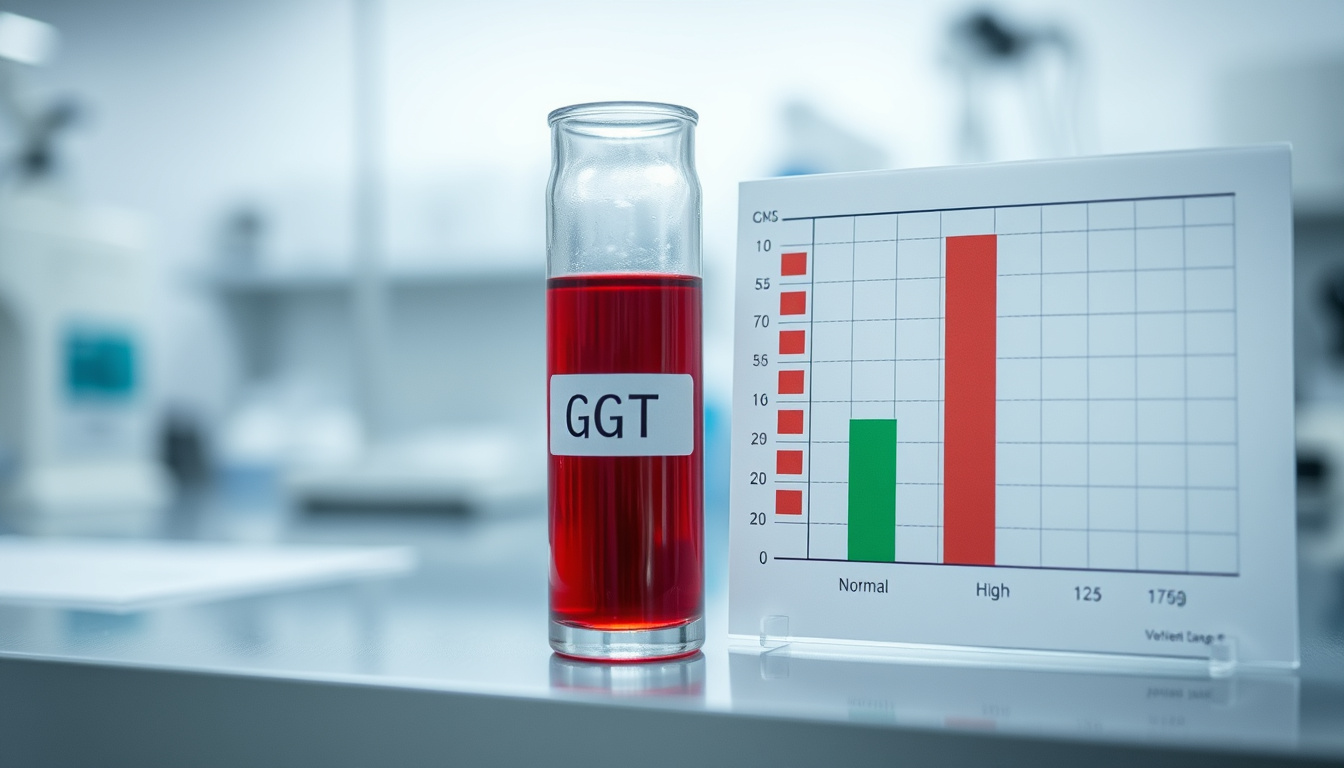

If your doctor has ever called you back after a routine checkup to discuss liver enzymes, you know that uneasy feeling — especially when the conversation shifts to something like GGT. Elevated GGT shows up in blood work alongside concerns about fatty liver, bile duct function, and, increasingly, cancer risk.
Test Measures: Gamma-glutamyl transferase (GGT) enzyme · Primary Use: Detect liver or bile duct conditions · Sample Type: Blood · High Levels Indicate: Possible liver damage · Common Conditions: Fatty liver, bile duct issues
Quick snapshot
- GGT test measures liver enzyme activity (PMC/NCBI)
- High levels signal liver damage or bile duct disease (Cleveland Clinic)
- GGT differentiates liver from bone disease when paired with ALP (SelfDecode Labs)
- Exact universal thresholds for “dangerous” without clinical context (PMC/NCBI)
- Whether GGT is a cause or marker of cancer progression (PMC/NCBI)
- Regional variations in normal ranges across different laboratory standards (Medical News Today)
- 2012: GGT-endometrial cancer prognosis study published (PMC/NCBI)
- 2024: NETs study confirmed GGT tracks liver tumor burden dynamically (PMC/NCBI)
- Ongoing research into GGT’s mechanistic role in cancer progression (PMC/NCBI)
- GGT increasingly used alongside imaging for liver cancer monitoring (PMC/NCBI)
- Potential inclusion of GGT in standard cardiovascular risk panels (PMC/NCBI)
- Clinical trials exploring interventions to lower GGT and reduce cancer risk (PMC/NCBI)
These key facts summarize what the GGT test measures and why it matters for liver health and cancer risk.
| Label | Value |
|---|---|
| Test Full Name | Gamma-Glutamyl Transferase |
| Key Organ | Liver and bile ducts |
| High GGT Sign | Liver damage or disease |
| Associated Conditions | Fatty liver, cancers |
| Source Reliability | MedlinePlus, Cleveland Clinic |
What is Gamma GT (GGT)?
Gamma-glutamyl transferase (GGT) is a membrane-bound enzyme primarily found in the liver, kidneys, pancreas, and biliary tract. It plays a key role in glutathione metabolism — your body’s master antioxidant system. When cells in the liver or bile ducts are injured, GGT leaks into the bloodstream, making it a sensitive marker for damage from alcohol, medications, hepatitis, or bile duct obstructions.
Purpose of GGT blood test
Doctors order the GGT test to check for liver damage or bile duct disease. Unlike other liver enzymes such as ALT or AST, GGT is particularly sensitive to alcohol consumption and biliary obstruction. According to Cleveland Clinic, it helps distinguish whether elevated liver enzymes come from liver/biliary sources or bone conditions.
How the test works
A healthcare provider draws a blood sample, usually from a vein in your arm. The sample is sent to a laboratory where technicians measure the GGT enzyme activity, typically reported in units per liter (U/L or IU/L). Results are then compared against reference ranges that vary by sex, age, and the specific laboratory’s standards.
The implication: GGT alone rarely tells the whole story. Doctors pair it with alkaline phosphatase (ALP) to pinpoint whether liver, bile ducts, or bones are the source of elevated enzymes. According to SelfDecode Labs, when ALP is high but GGT remains normal, bone disease is the likely culprit — not liver damage.
What does it mean when your GGT is high?
An elevated GGT result means the enzyme is spilling into your blood faster than your liver can clear it. This happens when liver cells are inflamed, dying, or blocked inside bile ducts. The Healthy Blue NC clinical policy notes that GGT is sensitive to damage from hepatitis, bile duct blockages, cirrhosis, alcohol, and non-alcoholic fatty liver disease (NAFLD).
Causes of elevated GGT
Multiple factors can raise GGT levels. Chronic heavy alcohol use produces some of the most dramatic elevations — much higher than occasional drinking. Medications including statins, some antibiotics, and anti-seizure drugs also contribute. Hepatitis B and C, bile duct stones or strictures, cirrhosis, and liver tumors all push GGT upward.
According to Vinmec, severity follows a rough scale: mild elevation is 1-2 times the upper limit of normal, moderate is 2-5 times, and severe is more than 5 times above normal. While a mildly elevated GGT might reflect something benign like a glass of wine the night before, sustained moderate-to-severe elevations warrant closer investigation.
Link to fatty liver
Non-alcoholic fatty liver disease (NAFLD) commonly elevates GGT levels alongside other liver enzymes. Cleveland Clinic notes that NAFLD may elevate GGT, and South Carolina Blues confirms that GGT elevation is common in NAFLD and predicts liver-related mortality. Five signs often accompany fatty liver: abdominal discomfort, fatigue, unexplained weight loss, yellowing of skin or eyes, and swelling in the abdomen or legs.
GGT elevation in NAFLD isn’t just a warning sign — research from the PMC/NCBI shows elevated GGT predicts liver mortality. Patients with fatty liver and consistently rising GGT face higher odds of progression to cirrhosis or liver cancer without intervention.
What is a normal GGT level by age?
Reference ranges for GGT vary across laboratories, but most define the upper limit for healthy adults at approximately 50 U/L. The Medical News Today cites this as the typical adult range. The UK NHS considers anything above 40 U/L elevated, while some labs set the threshold higher or lower based on their equipment and population.
Normal ranges for adults
According to Vinmec, sex-based differences are significant: women typically range from 11–50 U/L, while men run higher at 7–32 U/L. This isn’t a typo — men genuinely have higher baseline GGT activity, likely related to muscle mass and enzyme expression in the liver. Labs often adjust reference ranges for sex precisely because of these physiological differences.
Variations by age and sex
GGT levels naturally rise with age in both sexes. Newborns and infants have higher baseline GGT that gradually normalizes toward adult ranges by adolescence. Postmenopausal women may see slight increases compared to premenopausal levels. The AMORIS study of 545,460 Swedes used risk categories of <18, 18–36, 36–72, and >72 U/L to track cancer risk, demonstrating how even within “normal” ranges, higher GGT correlates with worse outcomes.
The pattern: your GGT number means different things depending on your sex, age, and which lab processed your sample. Always ask your doctor to interpret your result against the specific reference range printed on your lab report.
Is GGT high in fatty liver?
Yes — GGT elevation is common in non-alcoholic fatty liver disease. The liver fat accumulation that defines NAFLD triggers inflammation, which damages liver cells and causes enzymes including GGT to leak into the bloodstream. The Cleveland Clinic confirms that NAFLD may elevate GGT levels, often alongside ALT and AST.
GGT and fatty liver connection
In NAFLD, GGT often rises first — sometimes before ALT becomes abnormal. This is clinically significant because PMC/NCBI research links GGT elevation to oxidative stress, a key driver of both NAFLD progression and cancer risk. The enzyme doesn’t just mark damage; it reflects the underlying metabolic stress your liver is under.
Signs of fatty liver
Fatty liver frequently develops silently. Five warning signs to watch for: persistent fatigue not explained by other conditions, a dull ache in the upper right abdomen where the liver sits, unexplained weight gain concentrated around the midsection, spider angiomas (small blood vessel clusters) on the torso, and elevated liver enzymes on routine blood work. Many people discover fatty liver only after abnormal test results prompt further imaging.
Fatty liver often produces no symptoms until significant damage has occurred. Mayo Clinic warns that chronic high GGT raises risk of liver cancer — meaning waiting for symptoms before acting can be too late.
The implication: silent progression means regular monitoring matters more than waiting for discomfort to appear.
What level of GGT is dangerous?
There’s no single “dangerous” threshold that applies universally — context matters enormously. However, moderate-to-severe elevations (2-5 times and greater than 5 times the upper limit, respectively) signal meaningful liver stress requiring investigation. According to Mayo Clinic, elevated GGT raises risk of breast, colorectal, liver, lung, and prostate cancers.
Critical GGT levels
For most labs, any GGT value above 50 U/L warrants clinical attention, particularly if accompanied by symptoms or abnormal other liver enzymes. Severe elevations above 250 U/L — roughly 5 times the upper limit — suggest significant hepatic injury from cirrhosis, bile duct obstruction, or liver cancer. The Healthy Blue NC policy confirms that GGT is elevated in primary and secondary liver cancer.
When to worry about GGT
You should discuss GGT results with your doctor if: your result exceeds the lab’s reference range, GGT has been rising on consecutive tests, you’re experiencing abdominal pain, jaundice, or unexplained fatigue, or you have known risk factors like obesity, alcohol use, viral hepatitis, or a family history of liver disease.
Cancers linked to high GGT
Research links elevated GGT to multiple cancers beyond the liver. Healthy Blue NC lists liver, prostate, breast, esophageal, and colorectal cancers. A Korean study published in Wiley found elevated GGT associated with increased liver and bile duct cancer risk in both sexes. The Vorarlberg study of 92,983 females showed increasing hazard rates for various cancers as GGT rose.
Higher GGT within the normal range is associated with increased cancer risk, independent of alcohol consumption, according to PMC/NCBI. This means patients with “high-normal” GGT shouldn’t dismiss their result as acceptable — particularly if other risk factors are present.
What this means: even results that fall within the “normal” range warrant clinical attention when they cluster in the upper portion or coincide with other risk factors.
Higher levels of GGT within the normal range are associated with increased risk of cancer, so that causes other than alcohol may be involved.
— Research from PMC/NCBI (GGT-cancer risk review)
Our findings indicate that GGT is associated with liver tumor burden. Over the course of therapy, GGT appears to change in line with radiographic responses.
— PMC/NCBI (GGT-liver tumor correlation study)
The PMC/NCBI study on neuroendocrine tumors found that 51.9% of 104 patients showed GGT elevation associated with more than 50% liver tumor burden. In longitudinal tracking, 10 out of 11 patients with progressive disease had increasing GGT, while all 4 patients with regressive disease showed declining GGT. This makes GGT a valuable dynamic marker alongside imaging during cancer treatment.
Related reading: Celebrex Side Effects · Restless Leg Syndrome
Elevated GGT readings frequently indicate liver stress like fatty liver or bile duct obstruction, where high GGT causes and fixes details common triggers and effective remedies.
Frequently asked questions
Why is a GGT blood test ordered?
Doctors order GGT tests to evaluate liver or bile duct function, often as part of a liver panel. It’s particularly useful when other liver enzymes are elevated and the clinician needs to determine whether the source is liver/biliary or bone. It also helps monitor patients with known liver disease or those undergoing cancer treatment.
How do you prepare for a GGT blood test?
Most GGT tests require no special preparation beyond fasting for 8-12 hours if your doctor orders it alongside fasting glucose or lipid panels. Avoid alcohol for at least 24 hours before the test, as even moderate consumption can elevate results. Inform your doctor of all medications and supplements, as some can affect enzyme levels.
What causes low GGT levels?
Low GGT is generally less concerning than elevated levels. It may occur in hypothyroidism, certain nutritional deficiencies, or as a normal variant. Some medications, particularly those used for gout, can suppress GGT. Low GGT alone without other abnormal findings rarely indicates disease.
Is GGT tested during pregnancy?
GGT is not routinely tested during pregnancy unless liver dysfunction is suspected. Pregnancy causes hormonal shifts that affect liver enzymes differently than in non-pregnant adults. If your doctor orders liver function tests during pregnancy, GGT may be included to rule out bile duct complications like cholestasis.
What is the price of a GGT blood test?
Costs vary by laboratory, location, and whether you have insurance. In the United States, a standalone GGT test typically ranges from $15 to $60 without insurance. When ordered as part of a comprehensive metabolic panel or liver function test, the incremental cost is often minimal. Check with your lab or insurance provider for specific pricing.
How accurate is the GGT test for liver disease?
GGT is a sensitive but non-specific marker — it rises with liver damage but doesn’t tell you the exact cause. Combining GGT with ALT, AST, ALP, and bilirubin provides a clearer picture. GGT also performs well in tracking disease progression or response to treatment, particularly for liver cancers and fatty liver disease.
Can medications affect GGT levels?
Yes, many common medications elevate GGT. These include statins, certain blood pressure medications, antibiotics like rifampin, anti-epileptic drugs, antidepressants, and over-the-counter NSAIDs. Always review your medication list with your doctor, who can determine whether a medication is causing the elevation or if liver damage is present.

Thomas Grant leads fact-checking, source verification and corrections at Australia Watch.