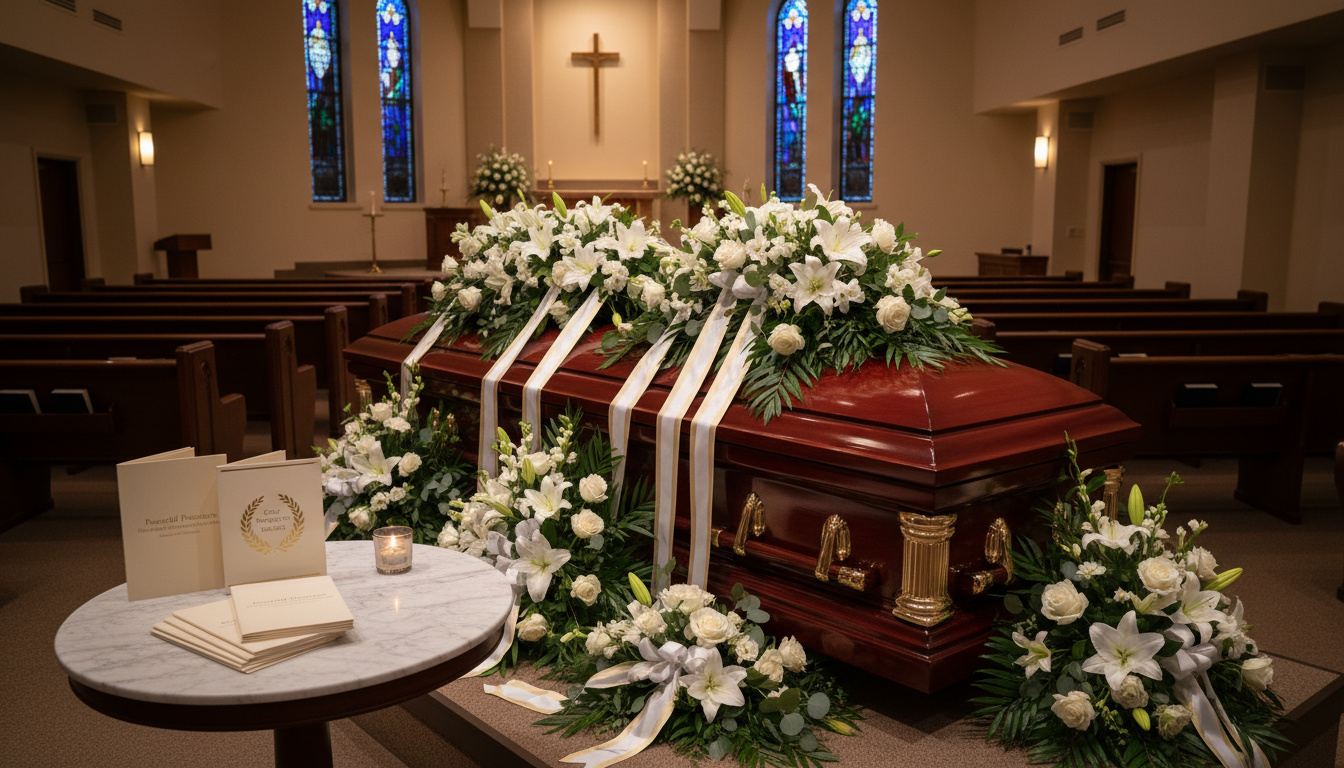

Searching for funeral planners near me during an emotional time requires both practical guidance and transparent information about costs, services, and consumer rights. Whether arranging a traditional burial, cremation, or memorial service, understanding how to locate qualified professionals and what questions to ask can prevent unnecessary expenses while ensuring dignified care for loved ones.
The process involves more than selecting the nearest provider. Comparative shopping, verification of state licenses, and knowledge of federal disclosure requirements empower families to make informed decisions aligned with their cultural values and financial constraints. Understanding these elements helps identify reputable planners and navigate the regulatory landscape governing funeral services.
How Do I Find Funeral Planners Near Me?
Locating qualified funeral planners requires systematic research across multiple channels. Local directories provide initial contacts, but verification through professional associations and state regulatory boards ensures legitimacy. Combining digital search tools with direct outreach allows families to compare services and pricing structures effectively.
Search Local Directories
Query Google Maps or specialized directories using “funeral planners near me” to generate proximity-based results. Focus on providers within 20-30 miles, as most include transport within this radius at no additional charge.
Consult Consumer Alliances
The Funeral Consumers Alliance publishes surveys detailing local price ranges and service quality, offering unbiased data unavailable from commercial listings.
Compare Multiple Providers
Contact 5-6 establishments to request their General Price List (GPL) via phone, email, or in-person visits. This mandatory disclosure reveals itemized costs for comparison.
Verify State Licensing
Confirm funeral directors hold current licenses through your state’s regulatory board. In Illinois, for example, the Department of Financial and Professional Regulation maintains public verification databases.
Key Insights for Local Searches
- Cremation now accounts for over 60% of funeral arrangements nationally, shifting many planners toward cremation-specialized services
- Professional planners handle legal documentation including death certificates, burial permits, and transit authorizations
- Traditional burial services average $9,000 or more when combining funeral home and cemetery fees
- Pre-planning arrangements typically reduce overall costs by 20-30% compared to at-need purchases
- The FTC Funeral Rule legally mandates itemized price disclosure upon request
- State licensing requirements ensure minimum competency standards for handling human remains
- Comparison shopping across multiple providers frequently yields savings exceeding $2,000 for identical service tiers
| Service Category | Average Cost | Critical Notes |
|---|---|---|
| Direct Cremation | $1,295 | Most economical; no ceremony or viewing. Chicago-area example; verify local rates. |
| Cremation with Memorial | $4,000 | Includes ceremony without body present or prior to cremation |
| Traditional Funeral Services | $6,000 | Funeral home charges only; excludes cemetery costs |
| Cemetery Charges | $3,000 | Separate from funeral home fees; varies by plot location |
| Basic Services Fee | ~$1,500 | Non-declinable overhead charge even with third-party merchandise |
| Professional Consultation | $300-$1,500 | Varies by region and complexity of arrangements |
What Is a Funeral Planner and What Services Do They Provide?
The term “funeral planner” encompasses two distinct professional categories. Licensed funeral directors operate within funeral homes, managing the physical care of remains, legal documentation, and ceremony logistics. Independent funeral planners or end-of-life coordinators focus primarily on pre-planning consultation, personalization options, and bereavement support without necessarily handling body preparation or transportation.
Funeral Planners versus Funeral Directors
Funeral directors complete state-mandated education and apprenticeship requirements to handle human remains legally. Their responsibilities include embalming (where permitted), casketing, transportation logistics, and coordinating with cemeteries or crematories. These professionals maintain physical facilities for visitation and ceremonies.
Independent funeral planners function as consultants, helping families navigate decisions about memorialization, budgeting, and logistical coordination. They may specialize in green burials, home funerals, or culturally specific rituals. While they provide valuable guidance during pre-planning phases, they cannot legally perform tasks restricted to licensed directors, such as embalming or transporting bodies across state lines.
Core Services and Support
Full-service providers typically manage body removal and transport, preparation of remains (embalming optional), provision of caskets or urns, facility rental for visitations, coordination of religious or secular ceremonies, and submission of legal documentation. Some establishments, including Dignity Memorial networks, offer bereavement travel assistance covering flights and accommodations for out-of-town family members.
The FTC Funeral Rule requires providers to give itemized General Price Lists upon request and prohibits them from refusing to handle caskets or urns purchased from third-party retailers. Providers must also disclose prices over the telephone when asked.
How to Choose the Best Funeral Planner Near Me
Selecting appropriate funeral planners near me requires evaluating transparency, cultural competency, and pricing structures. The optimal provider demonstrates willingness to discuss costs openly, accommodates specific religious or ethnic traditions, and maintains clean, accessible facilities.
Evaluating Credentials and Transparency
Begin by verifying active licensure through your state’s funeral regulatory board. Review online testimonials focusing on responsiveness and clarity during stressful situations. Visit physical locations to assess cleanliness, accessibility, and staff demeanor. Reputable establishments welcome questions and provide written documentation without pressure.
Request the General Price List immediately upon contact. Funeral Consumers Alliance guidelines suggest bringing a less emotionally involved companion to help evaluate options objectively and prevent rushed decisions during grief.
Essential Questions Before Committing
Prepare specific inquiries regarding your budget constraints and service expectations. Ask whether prices quoted include all third-party costs such as death certificates, permits, and cemetery fees. Confirm whether the facility imposes additional charges for using outside vendors for flowers, music, or Frequent Flyer Program Guide coordination for bereavement travel.
Inquire about experience with specific cultural or religious requirements. Determine payment options, including whether they accept victim compensation funds, installment plans, or insurance assignments. Request to view the full range of casket and urn options, as cheaper models may not be displayed prominently.
How Much Does a Funeral Planner Cost?
Funeral costs vary dramatically based on geographic location, service complexity, and merchandise selection. Understanding itemized pricing prevents surprise charges and allows meaningful comparison between providers offering similar service tiers.
According to Chicago Survivors data, direct cremation represents the most economical option at approximately $1,295 in metropolitan areas, while traditional burial services average $6,000 plus $3,000 in cemetery costs. Caskets frequently constitute the single most expensive item, with prices ranging from several hundred to tens of thousands of dollars.
Comparison shopping saves substantial sums. Cremation specialists often charge significantly less than full-service funeral homes. Purchasing caskets from online retailers or warehouse clubs, then having them shipped directly to the funeral home, eliminates retail markups while complying with federal regulations.
Even when utilizing third-party caskets or alternative merchandise, funeral homes charge a basic services fee averaging $1,500 covering overhead, consultation, and coordination. This charge cannot be waived, though it should be clearly itemized on the GPL.
What Is the Typical Timeline for Funeral Arrangements?
The pace of funeral planning depends on religious customs, autopsy requirements, and family logistics. While immediate needs arise within hours, complete arrangements typically span days to weeks.
- Immediate Notification (0-24 hours): Contact chosen provider for body removal. Most services operate 24/7 for initial transport within a 20-30 mile radius.
- Arrangement Conference (1-3 days): Meet with director to discuss service type, merchandise selection, and schedule. Death certificate procurement begins.
- Preparation Period (2-7 days): Embalming occurs if selected, permits are secured, and obituaries are published. Facilities are prepared for visitation.
- Service and Disposition (3 days-2 weeks): Viewing, funeral, or memorial services occur followed by burial, cremation, or entombment.
- Administrative Closure (1-8 weeks): Final death certificates are distributed, estate matters are addressed, and payment processing concludes.
What Regulations Protect Consumers?
The funeral industry operates under specific federal and state oversight designed to prevent predatory pricing and ensure dignified treatment. Understanding these protections helps families assert their rights during vulnerable periods.
Established Requirements
- The FTC Funeral Rule mandates written General Price Lists provided upon request or before discussing arrangements
- State licensing boards require education, apprenticeship, and continuing education for funeral directors
- Consumers possess the right to purchase caskets, urns, or services from third parties without refusal or penalty
- Telephone price disclosure is mandatory when requested
Variable Factors
- Total costs vary 50% or more between providers in the same metropolitan area due to overhead differences
- Availability of green or eco-friendly options like natural burial or biodegradable urns depends on local cemetery regulations
- Specific timelines for death certificate processing differ by jurisdiction and cause of death
- Cultural accommodation capabilities vary significantly between establishments
How Has the Funeral Industry Evolved?
The funeral profession has transformed significantly over the past decade, driven by shifting consumer preferences and technological advancement. Cremation rates now exceed burial nationally, prompting many traditional funeral homes to expand crematory services or partner with standalone cremation providers. This shift reflects both economic considerations and changing attitudes toward memorialization.
Post-pandemic adaptations introduced virtual attendance options for services, allowing remote participation through livestreaming. Many planners now offer extended Accommodation Guide support for families coordinating travel from distant locations. Inflationary pressures in 2025 continue impacting pricing structures, with many establishments adjusting service package configurations to address budget-conscious consumers.
What Do Industry Authorities Recommend?
Regulatory bodies and professional associations provide specific guidance to protect consumers during funeral arrangements. These recommendations emphasize preparation, documentation, and assertive questioning.
The FTC’s Funeral Rule gives you the right to buy only the funeral arrangements you want. You have the right to information about funeral prices when you ask for it.
Pre-planning reduces family stress and financial burden during emotional times. Documenting your wishes ensures your preferences are honored while locking in current pricing.
What Are the Immediate Next Steps?
Begin your search by compiling a list of five to six providers within your preferred geographic radius. Contact each to request their General Price List, then schedule facility tours during daylight hours to assess conditions personally. Bring a trusted friend to help evaluate options, and verify licenses through your state’s regulatory board before signing contracts. If time permits, consider pre-planning to secure current prices and relieve future family burden.
Common Questions About Funeral Planning
Do I legally need a funeral planner?
No. You may arrange direct cremation or home funerals in most jurisdictions without professional assistance, though you must still comply with vital statistics reporting and transportation regulations.
Can I plan a funeral without professional help?
Yes. Family-led arrangements are legal in all states, though you must handle permits, death certificates, and body transport independently. Some families choose this for religious or cost reasons.
What is direct cremation?
Direct cremation involves immediate cremation without viewing, embalming, or ceremony. It represents the most affordable option, averaging $1,295 in major metropolitan areas.
How do I verify a funeral director’s license?
Contact your state’s funeral services regulatory board or health department. Most maintain online databases where you can search by name or facility to confirm current licensure status.
Am I required to buy a casket from the funeral home?
No. The FTC Funeral Rule protects your right to purchase caskets from third parties. Funeral homes cannot refuse to use outside merchandise or charge additional fees beyond the basic services charge.
What is a General Price List (GPL)?
The GPL is a written, itemized price list that funeral homes must provide upon request. It includes costs for every service and product offered, enabling accurate comparison shopping.
How quickly must I make funeral arrangements?
While immediate body care occurs within hours, service planning typically allows several days. Religious customs or cemetery availability may dictate specific timelines, but rushing is unnecessary.

Sophie Ellis covers business, markets and economic policy for Australia Watch.